Gaddi Culture in Bharmaur and Manimahesh
To understand Bharmaur properly, you have to understand the Gaddi relationship with movement, flock, shrine and altitude. The route to Manimahesh carries all of that at once.
By Himalayan Locals Editorial Team
There are Himalayan journeys where the landscape is the headline and the people become background texture. Bharmaur should work the other way around. The Gaddi presence changes how the mountain route is understood: as pasture, pilgrimage, labour, and return.
The Gaddi are closely associated with pastoral movement across the western Himalaya, especially in parts of Chamba and Bharmaur. If you travel to Manimahesh or the surrounding high country without learning that, you miss half the route.
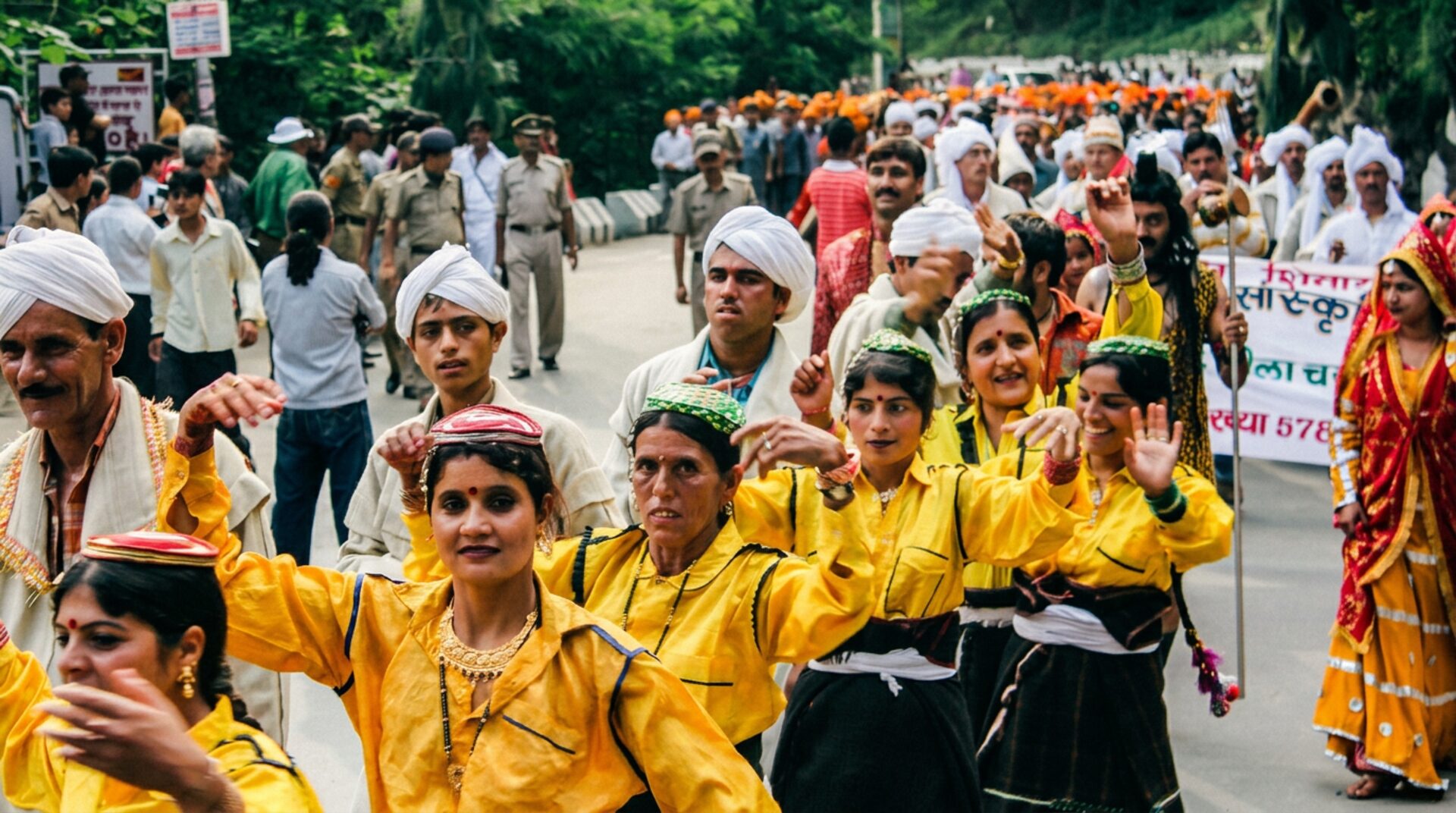
Why the Gaddi story changes the trip
A Gaddi-centred journey is not only about shepherd identity in the abstract. It is about what a seasonal mountain life does to memory, song, route-making, and devotion. Bharmaur's temples, open highlands, and pilgrimage culture make more sense when seen through a community that has long negotiated both grazing ground and sacred geography.
The details that still make Bharmaur and upper Chamba feel alive
- A mountain culture shaped by transhumance, shrines, and difficult seasonal movement.
- Bharmaur's temple belt and Manimahesh route becoming more legible through Gaddi history.
- A stronger understanding of Chamba beyond postcard hill-station vocabulary.
- A chance to experience pastoral memory as part of the journey, not as background folklore.
When this journey feels most worth doing
The most practical window is the warmer open season, especially when upper Chamba and Bharmaur are fully reachable. Festival or yatra periods create extra energy, but even outside those dates the region carries strong cultural texture if you stay long enough.
What Bharmaur and upper Chamba gives you beyond the obvious
The strongest version of this journey is rarely the one that tries to see the most in the least amount of time. It is the one that allows Gaddi life in Bharmaur and upper Chamba to become legible through repetition: one more walk, one more meal, one more conversation, one more hour spent noticing how the place holds itself when nobody is trying to impress you.
That is usually where the copybook idea of culture falls away and the real thing begins. You stop looking for a headline and start noticing pattern, mood, labour, and social intelligence. In Himalayan travel, that shift is often the difference between a pleasant route and a memorable one.
Why Gaddi landscapes should not be consumed too quickly
Most travellers get this wrong in the same way: they arrive with a collecting instinct. They want one clean explanation, one culturally satisfying photograph, one short answer to what this region means. But Bharmaur and upper Chamba is not built to reward that kind of speed. It asks for sequence, patience, and enough humility to let local life stay larger than your interpretation of it.
- Do not treat Bharmaur and upper Chamba as a rare detour whose job is to deliver proof of authenticity.
- Do not confuse visual difference with cultural understanding.
- Do not let road ambition erase the slower social texture that makes Gaddi life meaningful in the first place.
Travel like a guest, not a collector
This is not a route to over-style. Keep it simple, stay close to Bharmaur if possible, and let the journey include temple spaces, conversations, and the surrounding landscape instead of only trying to 'complete' Manimahesh logic in one burst. The region rewards sincerity more than speed.
For travellers who care about quality, the real upgrade is subtle. Better timing, fewer unnecessary stops, stronger local hosting, and more emotional space create a route that feels calmer and far more expensive in the right way. That is especially true in Bharmaur and upper Chamba, where the atmosphere improves the moment the itinerary stops trying to prove itself.
Trips that pair well with this cultural angle
- Remote Chamba-Himalaya Expedition: A strong match if you want western Himachal to feel more cultural and less packaged.
Travel questions
Who are the Gaddi of Himachal Pradesh?
The Gaddi are a major Himalayan community associated especially with Chamba and neighbouring highland regions, often linked with pastoral and transhumant traditions.
Why is Bharmaur important for understanding Gaddi culture?
Because Bharmaur sits inside a landscape of shrines, uplands, and routes long connected with Gaddi life and movement.
Can Manimahesh travel be meaningful without rushing the yatra?
Yes. In fact, a slower Bharmaur-first route often gives the landscape and its cultural logic far more depth.