Pangi Valley Culture
Pangi is one of the places where Himachal still feels genuinely remote. But the real interest is not remoteness by itself. It is how people have built continuity here through rough roads, winter isolation, festival memory, and a serious relationship with terrain.
By Himalayan Locals Editorial Team
Remote gets overused in Himalayan travel writing. Pangi still earns the word, but only because geography still has consequences there. Roads matter. Weather matters. Supply lines matter. That gives the culture a different weight from easier valleys.
If you want to understand why some Himalayan regions still feel unsmoothed by tourism, Pangi is one of the best case studies. Local life is shaped by access difficulty, valley self-reliance, and an everyday seriousness that makes even simple hospitality feel earned.
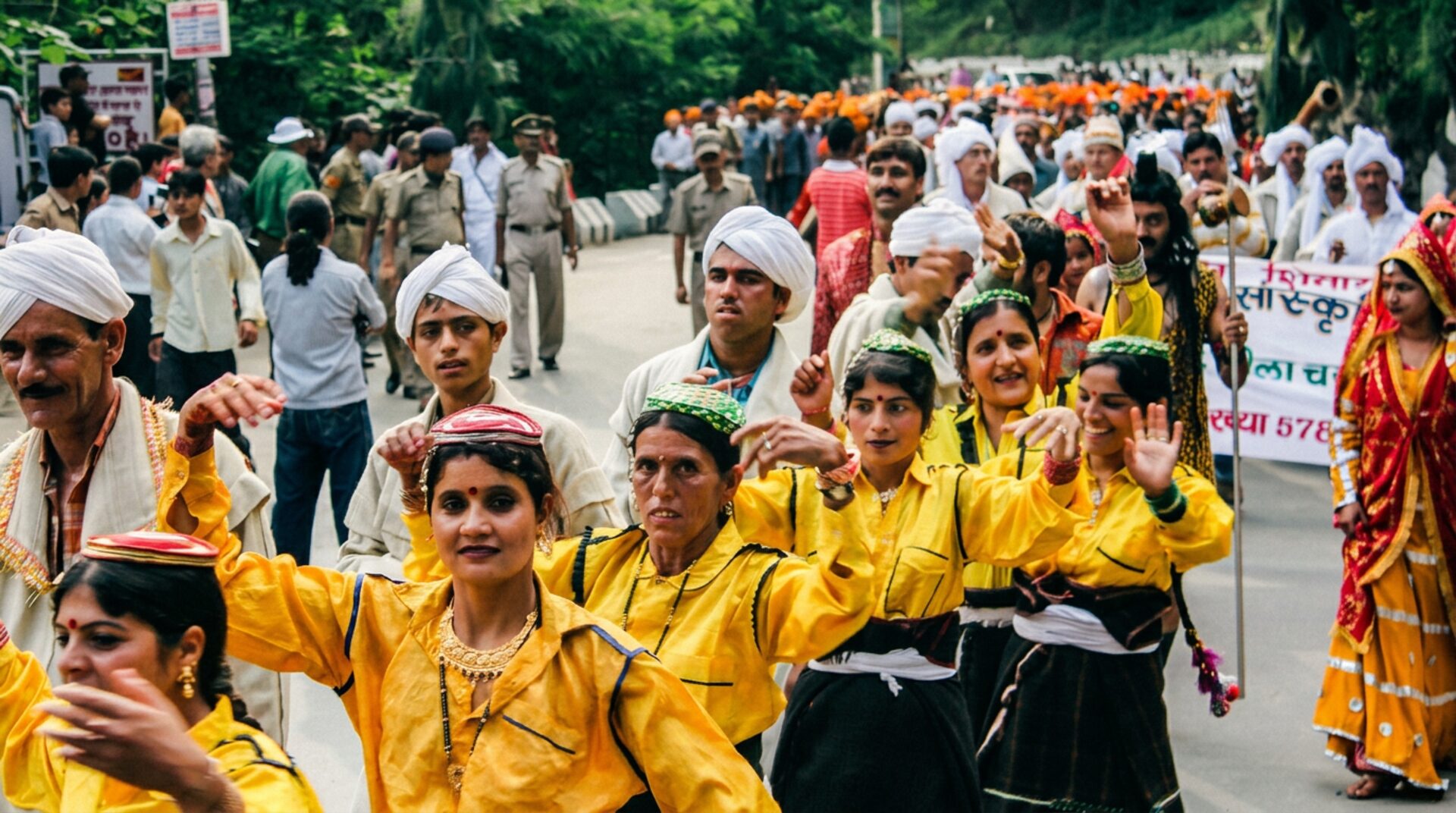
Why the Pangi valley communities story changes the trip
Travellers often talk about Pangi as if the valley's only function is to prove their adventurousness. That misses the point. The deeper value is in seeing how a mountain society carries normal life through difficult terrain, and how festivals, processions, and social gatherings draw extra force from that background.
The details that still make Pangi feel alive
- A genuinely difficult valley where access still shapes culture in visible ways.
- Festival and processional life that carries more emotional charge because ordinary living is harder here.
- A better route for travellers who want western Himachal beyond curated softness.
- An understanding of remoteness as social structure, not only as visual drama.
When this journey feels most worth doing
The practical season is limited compared with easier Himalayan destinations, which is exactly why route planning matters so much. When the valley is open and stable, it rewards travellers who are willing to let the remoteness slow them down instead of treating it like a stunt.
What Pangi gives you beyond the obvious
The strongest version of this journey is rarely the one that tries to see the most in the least amount of time. It is the one that allows Pangi valley communities life in Pangi to become legible through repetition: one more walk, one more meal, one more conversation, one more hour spent noticing how the place holds itself when nobody is trying to impress you.
That is usually where the copybook idea of culture falls away and the real thing begins. You stop looking for a headline and start noticing pattern, mood, labour, and social intelligence. In Himalayan travel, that shift is often the difference between a pleasant route and a memorable one.
Why Pangi valley communities landscapes should not be consumed too quickly
Most travellers get this wrong in the same way: they arrive with a collecting instinct. They want one clean explanation, one culturally satisfying photograph, one short answer to what this region means. But Pangi is not built to reward that kind of speed. It asks for sequence, patience, and enough humility to let local life stay larger than your interpretation of it.
- Do not treat Pangi as a rare detour whose job is to deliver proof of authenticity.
- Do not confuse visual difference with cultural understanding.
- Do not let road ambition erase the slower social texture that makes Pangi valley communities life meaningful in the first place.
Travel like a guest, not a collector
Travel with a team that understands the road, the weather, and the social texture of remote Himachal. Give Pangi enough time to feel like a valley rather than an obstacle. If the itinerary only proves you reached it, it has failed.
For travellers who care about quality, the real upgrade is subtle. Better timing, fewer unnecessary stops, stronger local hosting, and more emotional space create a route that feels calmer and far more expensive in the right way. That is especially true in Pangi, where the atmosphere improves the moment the itinerary stops trying to prove itself.
Trips that pair well with this cultural angle
- Pangi Remote Expedition: The clearest match if you want to experience the valley as a serious route rather than a quick badge.
- Pangi in its Harder Mood: Useful for travellers who are actively drawn to mountain regions where weather still dictates the terms.
Travel questions
Why is Pangi Valley special?
Because it still feels geographically and culturally difficult in a way many easier Himalayan circuits no longer do.
Is Pangi only for adventure travellers?
No. It is also for cultural travellers who understand that remoteness itself shapes social life.
How should I plan Pangi well?
Go slower, keep expectations grounded, and build the valley into a route that respects its access realities.