Phulaich Festival in Kinnaur
Phulaich in Kinnaur is not a decorative flower event. It is one of the most beautiful examples of how a Himalayan community marks the passing of season, gathers the hills into ritual, and turns farewell to summer into collective ceremony.
By Himalayan Locals Editorial Team
Quick answer
Phulaich is the flower festival of Kinnaur in Himachal Pradesh, associated with the transition toward autumn and winter. Village ceremonies follow local arrangements. Confirm the village, celebration dates and permission to attend before planning a festival journey.
- Region
- Kinnaur, Himachal Pradesh
- Travel bases
- Kalpa or Sangla, depending on the village programme
- Dates and attendance
- Confirm locally; no future ceremony or access is guaranteed
Some festivals are memorable because they are large. Phulaich is memorable because it is precise. Flowers are gathered from the hills, offered, and brought into a social rhythm that says a great deal about how Kinnaur still reads the land.
Often described as a flower festival, Phulaich is really about seasonal passage, village participation, and collective offering. It is one of the clearest windows into Kinnaur's relationship with terrain, deity, and community mood.
Why the Kinnauri story changes the trip
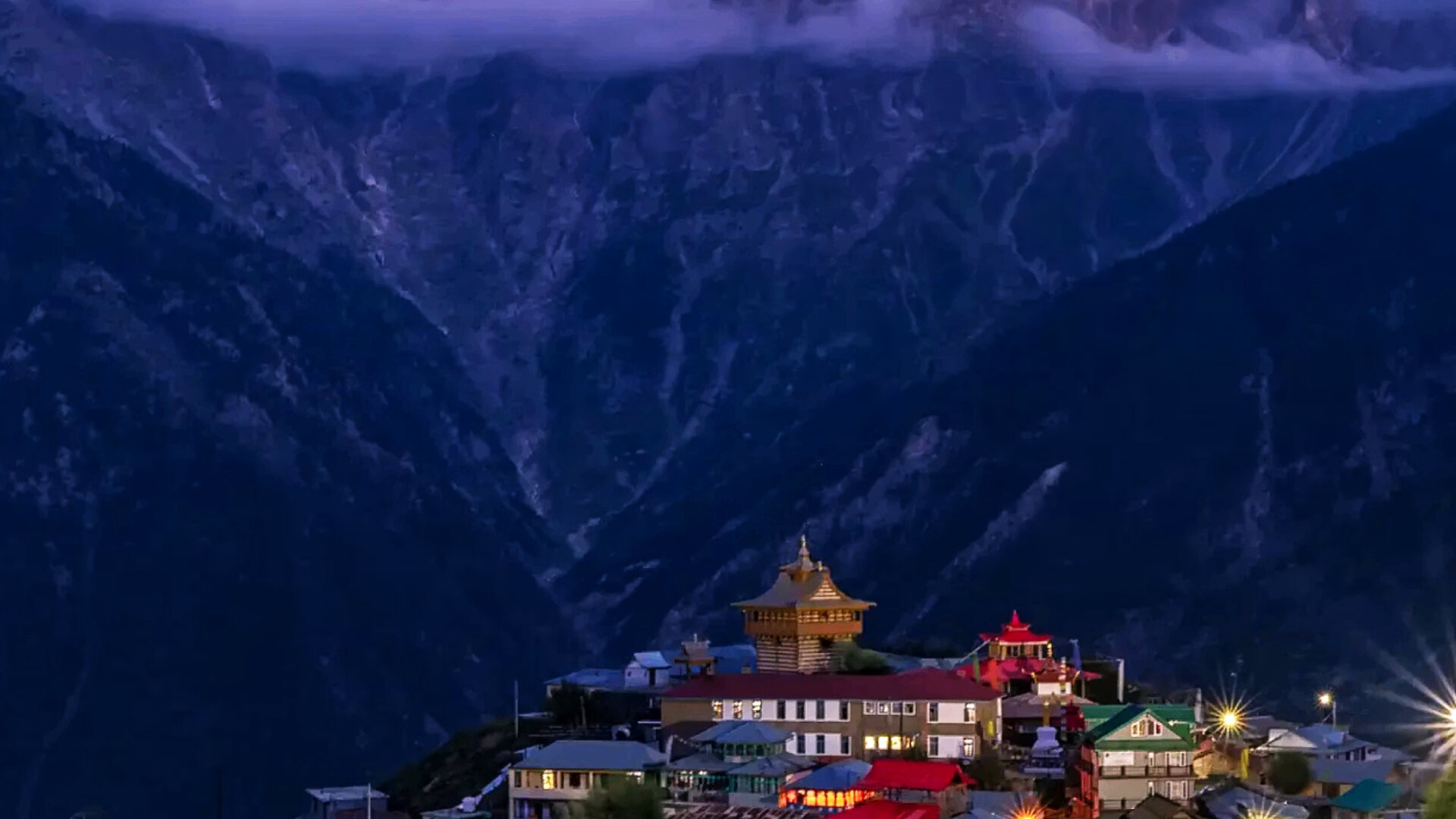
The most interesting thing about Phulaich is how naturally the dramatic and the intimate sit together. The slopes are big, the villages are visually striking, and yet the festival still feels anchored in local participation rather than spectacle. That balance is what gives Kinnaur its dignity.
The details that still make Kinnaur feel alive
- A seasonal Kinnauri ritual shaped by flowers, village participation, and the emotional turn toward winter.
- One of Himachal's most graceful examples of landscape entering ritual form.
- A route that helps travellers understand Kinnaur as more than apple orchards and mountain views.
- An atmosphere where village, deity, dress, and season all become legible together.
When this journey feels most worth doing
Phulaich is associated with the post-monsoon shift when Kinnaur feels clear, crisp, and especially articulate. This is one of the best broader seasons for the district anyway, which makes the festival particularly rewarding if the route is paced properly.
What Kinnaur gives you beyond the obvious
The strongest version of this journey is rarely the one that tries to see the most in the least amount of time. It is the one that allows Kinnauri life in Kinnaur to become legible through repetition: one more walk, one more meal, one more conversation, one more hour spent noticing how the place holds itself when nobody is trying to impress you.
That is usually where the copybook idea of culture falls away and the real thing begins. You stop looking for a headline and start noticing pattern, mood, labour, and social intelligence. In Himalayan travel, that shift is often the difference between a pleasant route and a memorable one.
Why Kinnauri landscapes should not be consumed too quickly
Most travellers get this wrong in the same way: they arrive with a collecting instinct. They want one clean explanation, one culturally satisfying photograph, one short answer to what this region means. But Kinnaur is not built to reward that kind of speed. It asks for sequence, patience, and enough humility to let local life stay larger than your interpretation of it.
- Do not treat Kinnaur as a rare detour whose job is to deliver proof of authenticity.
- Do not confuse visual difference with cultural understanding.
- Do not let road ambition erase the slower social texture that makes Kinnauri life meaningful in the first place.
Travel like a guest, not a collector
Base yourself in or near Kalpa, Sangla, or another village zone where local participation is visible, but avoid trying to over-stage the experience. Kinnaur opens best when you combine festival time with ordinary village mornings, road pauses, and one or two quieter days around the event.
For travellers who care about quality, the real upgrade is subtle. Better timing, fewer unnecessary stops, stronger local hosting, and more emotional space create a route that feels calmer and far more expensive in the right way. That is especially true in Kinnaur, where the atmosphere improves the moment the itinerary stops trying to prove itself.
Trips that pair well with this cultural angle
- Kinnaur Valley Route: The most direct fit if you want Kinnaur culture, roads, and village time to lead the trip.
- Inner Himachal Extension: Useful if you want to continue from Kinnaur into a broader high-country circuit.
Planning a visit to Phulaich
Ask which village is celebrating, on which dates, and whether visitors are welcome. Allow time around the ceremony rather than treating it as a stop between long drives. A winter Spiti itinerary through Sangla and Kalpa does not include or guarantee Phulaich.
Plan a Kinnaur journey around confirmed local dates
- Kinnaur and Tirthan route: Ask for a proposal around the village programme; the existing URL does not confirm a future festival date.
Travel questions
Phulaich is celebrated in which state?
Phulaich is associated with Kinnaur in Himachal Pradesh.
Are next season’s festival dates confirmed?
This guide does not confirm future dates. Ask the team to verify the specific village programme and visitor access before making arrangements.