Best Offbeat Places in Ladakh
The best offbeat places in Ladakh are rarely the ones that demand the loudest claims. They are the places where road, silence, and local context still feel slightly ahead of the mainstream curve.
By Himalayan Locals Editorial Team
The best offbeat places in Ladakh are not a secret list of coordinates. Ladakh is too photographed for that. What remains offbeat is not always hidden from the map. It is hidden from rushed itineraries. It lives in the longer routes, the higher plateaus, the monastery approaches, the far villages, and the sectors that demand more intention than a standard first-time circuit usually allows.
That distinction matters because many travellers confuse remote with offbeat. A place can be physically distant yet still extremely famous. Another can sit closer to a known road but remain emotionally offbeat because very few people arrive there with enough time or curiosity to experience it properly. In Ladakh, offbeat travel is often less about chasing novelty and more about choosing a route that does not flatten the region into just Leh, Nubra, and Pangong.
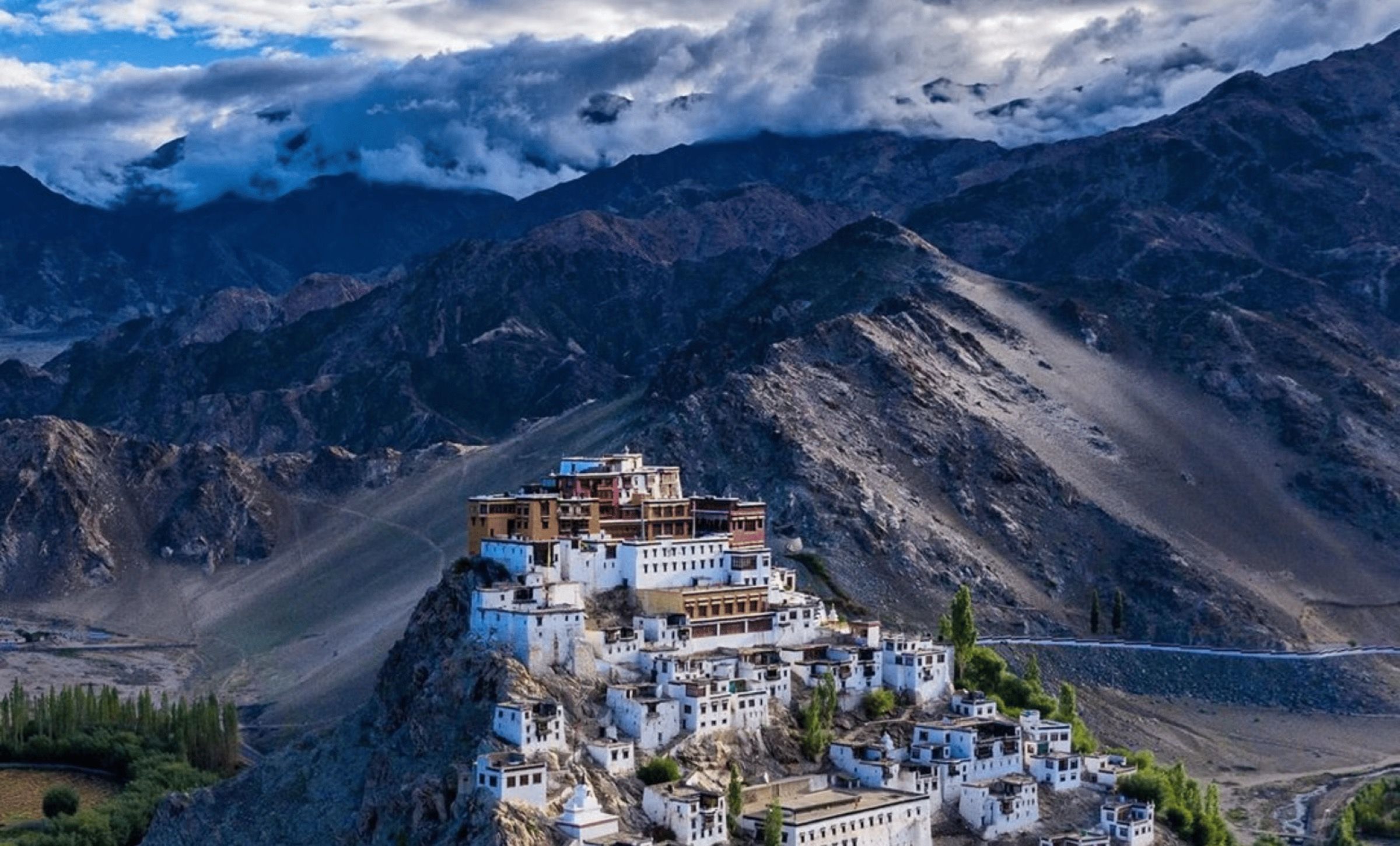
Look for depth, not novelty alone
A good offbeat Ladakh journey usually includes one of three things: wider geography, deeper culture, or quieter pace. Wider geography pushes beyond the most familiar circuit and into sectors like Changthang, Hanle, Umling La, Dha-Hanu, or less-rushed monastic valleys. Deeper culture means staying with a place long enough to feel its social texture rather than only photographing it. Quieter pace means leaving room for road life, weather, and landscape transitions to become memorable instead of just functional.
Some of the best offbeat places in Ladakh reward travellers who leave the obvious sequence behind
- Hanle and the wider eastern plateau for silence, sky, and a more observatory-like feeling of isolation.
- Umling La and the upper Changthang road for travellers who want high-altitude scale beyond the standard circuit.
- Dha-Hanu and culturally distinct settlements that give Ladakh another register beyond the monastery-and-lake narrative.
- Slower monastic valleys where the approach and the local life around the monastery matter more than the landmark photo.
- Village-led sectors where the road narrows the experience instead of trying to enlarge it.
The most rewarding offbeat places in Ladakh usually become powerful because they reshape your sense of the region. You stop seeing Ladakh as one set of famous highlights and start seeing it as a layered mountain world with different climates of feeling. One area can feel ceremonial, another nomadic, another military, another monastic, another nearly lunar. That variety is exactly what sophisticated travellers are usually looking for when they say they want something less mainstream.
Offbeat travel needs more judgment, not just more bravery
It is easy to romanticise remote sectors and ignore the planning discipline they require. Offbeat Ladakh often involves longer road days, greater altitude seriousness, fewer fallback comforts, and thinner service layers. That is not a problem when the trip is built for it. It becomes a problem only when travellers try to insert offbeat sectors into a route that still behaves like a standard package. The best offbeat itineraries are shaped around the realities of those regions from the beginning.
This is also why locally informed planning matters. Road condition, permit logic, weather, and how a particular traveller is responding to altitude all influence whether an offbeat section feels sublime or simply draining. A premium route does not soften the landscape into something generic. It makes sure the traveller meets that landscape at the right time, with the right support, and with enough energy to enjoy it.
Trips that lean into offbeat Ladakh properly
- Umling La Ladakh Expedition: For travellers who want the outer edge of Ladakh’s road drama with proper expedition structure.
- Trans-Himalayan Changthang & Nubra: A wider Ladakh journey that moves beyond the familiar without becoming chaotic.
- Ladakh Zanskar Spiritual Access: A more inward, quieter version of offbeat Ladakh with stronger cultural and seasonal character.
A place is offbeat only if the journey around it respects its nature
The best offbeat places in Ladakh are not trophies. They are parts of a wider route philosophy. You do not make a trip meaningful by simply adding a remote name. You make it meaningful by allowing the pace, the support, and the route logic to change accordingly. When that happens, offbeat Ladakh stops feeling like marketing language and starts feeling like a different relationship with the high country.
Offbeat Ladakh works best when you edit the rest of the itinerary around it
A lot of travellers say they want offbeat Ladakh but still try to preserve every mainstream stop as if nothing can be removed. That usually creates a route with the language of remoteness and the pacing of a package tour. A better approach is to make one clear editorial choice. Decide that a remote plateau matters more than one extra famous halt. Decide that one quieter village day matters more than constant movement. Offbeat travel becomes real only when something else gives way to make room for it.
This matters for energy as well. Remote Ladakh is at its best when the traveller still has enough attention left to appreciate the shift in atmosphere. If the whole journey has already been packed too tightly, an offbeat section can arrive too late to feel transformative. It becomes just another drive. That is why the strongest offbeat itineraries often look simpler than people expect. They spend their complexity in the right place instead of everywhere at once.
There is also a deeper reward in leaving some famous places out. The trip starts to belong to you rather than to the algorithm of what everyone else is supposed to do. That personal fit is often what makes offbeat Ladakh feel truly premium. It is less about saying you reached somewhere rare and more about feeling that the route reflected your actual curiosity.
That is ultimately the clearest test of whether a place is genuinely offbeat for you. It should not just be less visited. It should also change the emotional shape of the trip. If a remote sector makes the whole route feel more personal, more spacious, and more intelligently chosen, then it is doing real work. If it simply increases distance while everything else stays generic, it is not yet an offbeat journey. It is just a longer standard one.
When travellers understand that difference, their planning improves immediately. They begin cutting things that only add noise and protecting things that create identity. That is the point where offbeat Ladakh stops being a search term and starts becoming a route philosophy. The trip becomes more restrained, more coherent, and almost always more expensive-feeling because it is built around intention rather than accumulation.
Travel questions
What are the best offbeat places in Ladakh?
Some of the strongest offbeat sectors include Hanle, Umling La, parts of Changthang, culturally distinct western villages, and quieter monastic valleys beyond the standard tourist rhythm.
Is offbeat Ladakh suitable for first-time travellers?
Yes, but only if the route is built carefully. Offbeat sectors require more planning discipline than a classic first Ladakh circuit.
Are offbeat places in Ladakh more difficult to reach?
Often yes. They may involve longer drive times, greater altitude exposure, or thinner service layers, which is why route design matters.
Can I combine offbeat Ladakh with Pangong and Nubra?
You can, but the itinerary has to be paced intelligently. Trying to do too much too fast usually weakens the offbeat experience.