Brokpa Villages in Ladakh
The Brokpa villages of Dha, Hanu and nearby pockets are not just a visual detour from Leh. They are one of the rare places in Ladakh where language, orchard life, ritual memory and borderland history still meet in a very specific mountain form.
By Himalayan Locals Editorial Team
If you want Ladakh to feel stranger, older, and more layered than the standard monastery-lake circuit, the Brokpa villages are one of the clearest turns you can take. The landscape softens, apricot trees begin to matter, and the road starts telling a different cultural story from the high-altitude Buddhist mainstream most travellers are used to.
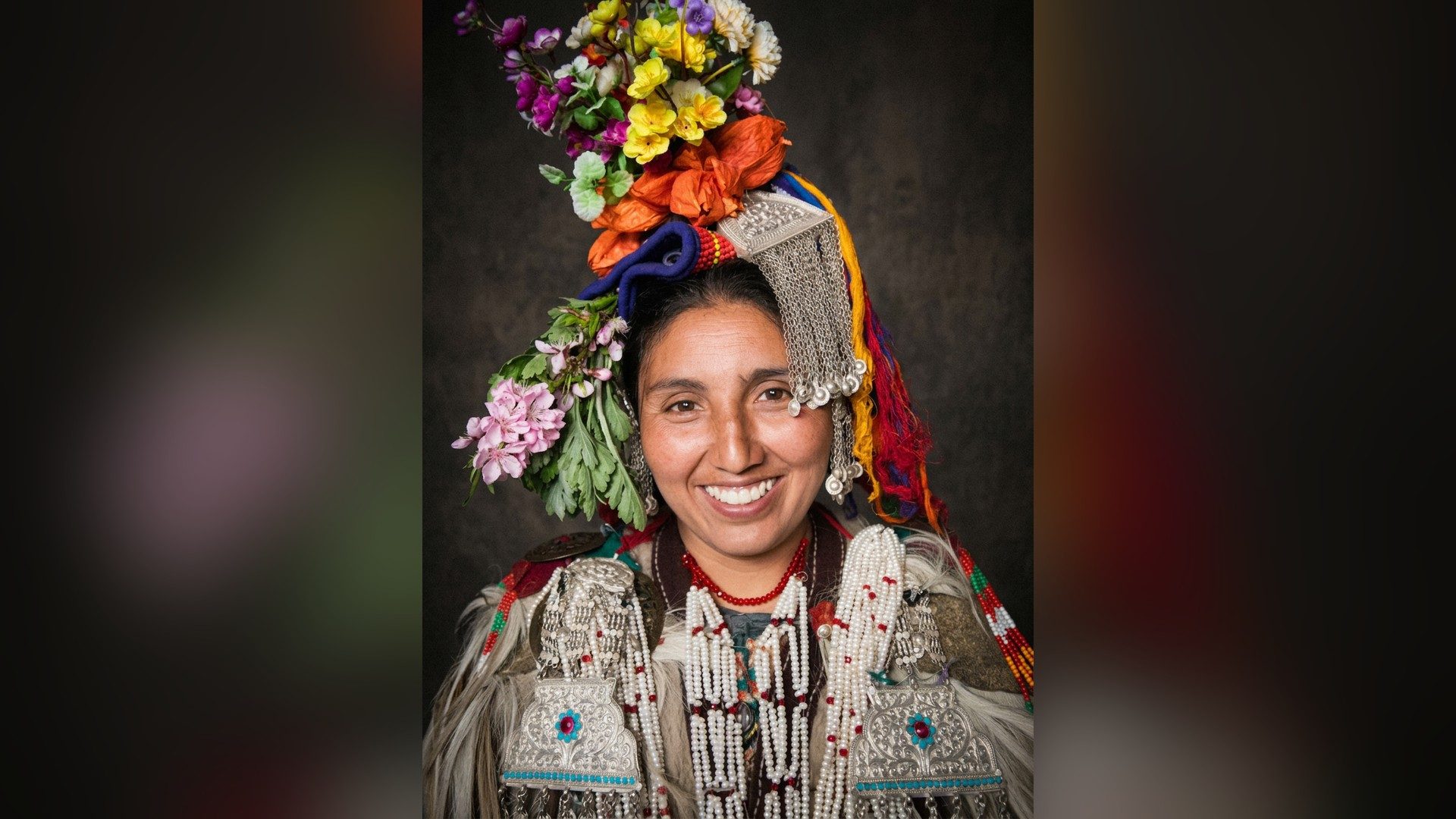
The Brokpa, often associated with the Dha-Hanu belt, are one of Ladakh's most distinct communities. What makes the visit special is not costume photography or outsider fascination. It is the fact that language, memory, agriculture, and ritual survive here in a texture that feels separate from the better-known Ladakhi valley experience.
Why the Brokpa story changes the trip
The right way to approach a Brokpa village is with less appetite for spectacle and more appetite for atmosphere. You are entering a living borderland culture, not a museum corner. Orchard work, village pathways, older stone homes, and small daily rhythms matter more than staging the visit around a single portrait. The community has been over-described by travellers looking for something exotic; a better journey looks for what is still ordinary there.
The details that still make lower Indus Ladakh feel alive
- A distinct linguistic and cultural identity inside a region most visitors wrongly imagine as uniform.
- Apricot-growing village life and lower-altitude texture that shifts the emotional tone of Ladakh.
- Festival memory and ceremonial dress that still matter locally, rather than existing only for tourism.
- A route that helps travellers understand Ladakh as a mosaic of communities, not one single mountain culture.
When this journey feels most worth doing
Late spring to early autumn is the most practical window if you want the villages to feel open, green by local standards, and easy to combine with Leh, Kargil, or the wider lower Indus route. Festival-timed travel can be rewarding, but even outside festival dates the villages are worth visiting for the slower contrast they offer.
What lower Indus Ladakh gives you beyond the obvious
The strongest version of this journey is rarely the one that tries to see the most in the least amount of time. It is the one that allows Brokpa life in lower Indus Ladakh to become legible through repetition: one more walk, one more meal, one more conversation, one more hour spent noticing how the place holds itself when nobody is trying to impress you.
That is usually where the copybook idea of culture falls away and the real thing begins. You stop looking for a headline and start noticing pattern, mood, labour, and social intelligence. In Himalayan travel, that shift is often the difference between a pleasant route and a memorable one.
Why Brokpa landscapes should not be consumed too quickly
Most travellers get this wrong in the same way: they arrive with a collecting instinct. They want one clean explanation, one culturally satisfying photograph, one short answer to what this region means. But lower Indus Ladakh is not built to reward that kind of speed. It asks for sequence, patience, and enough humility to let local life stay larger than your interpretation of it.
- Do not treat lower Indus Ladakh as a rare detour whose job is to deliver proof of authenticity.
- Do not confuse visual difference with cultural understanding.
- Do not let road ambition erase the slower social texture that makes Brokpa life meaningful in the first place.
Travel like a guest, not a collector
Keep the day light. Do not rush in for one village walk, a few photographs, and a quick exit. If you can, stay nearby or fold the villages into a broader lower Indus cultural route. Talk less, look longer, and avoid treating ceremonial dress as the main point of the visit. The strongest version of this experience is quiet, respectful, and village-paced.
For travellers who care about quality, the real upgrade is subtle. Better timing, fewer unnecessary stops, stronger local hosting, and more emotional space create a route that feels calmer and far more expensive in the right way. That is especially true in lower Indus Ladakh, where the atmosphere improves the moment the itinerary stops trying to prove itself.
Trips that pair well with this cultural angle
- Classic Ladakh Circuit: A strong base if you want to add lower Indus cultural depth to a first Ladakh journey.
- Hidden Ladakh & Zanskar Circuit: Best for travellers who want Ladakh to feel broader than the usual highlight reel.
Travel questions
Where are the Brokpa villages in Ladakh?
Travellers usually refer to villages like Dha and Hanu in the lower Indus belt west of Leh when they talk about Brokpa country.
Are Brokpa villages worth visiting in Ladakh?
Yes, especially if you want a more layered cultural route rather than only lakes, passes, and monasteries.
How should I visit Brokpa villages respectfully?
Go slowly, ask before photographing people, avoid turning dress and ritual into props, and treat the village as a living home rather than a curiosity stop.