Hemis Festival in Ladakh
Hemis is one of Ladakh's best-known monastic festivals, but it is still easy to visit badly. The right approach is not to collect masks and drums. It is to understand how ceremony, crowd, monastery space and timing all shape the experience.
By Himalayan Locals Editorial Team
Hemis is famous enough to be misunderstood. Many travellers arrive expecting only colour, dance, and a clean cultural spectacle. What they miss is that the festival is still anchored in monastery space, spiritual rhythm, and the local ability to hold ceremony inside a very public moment.
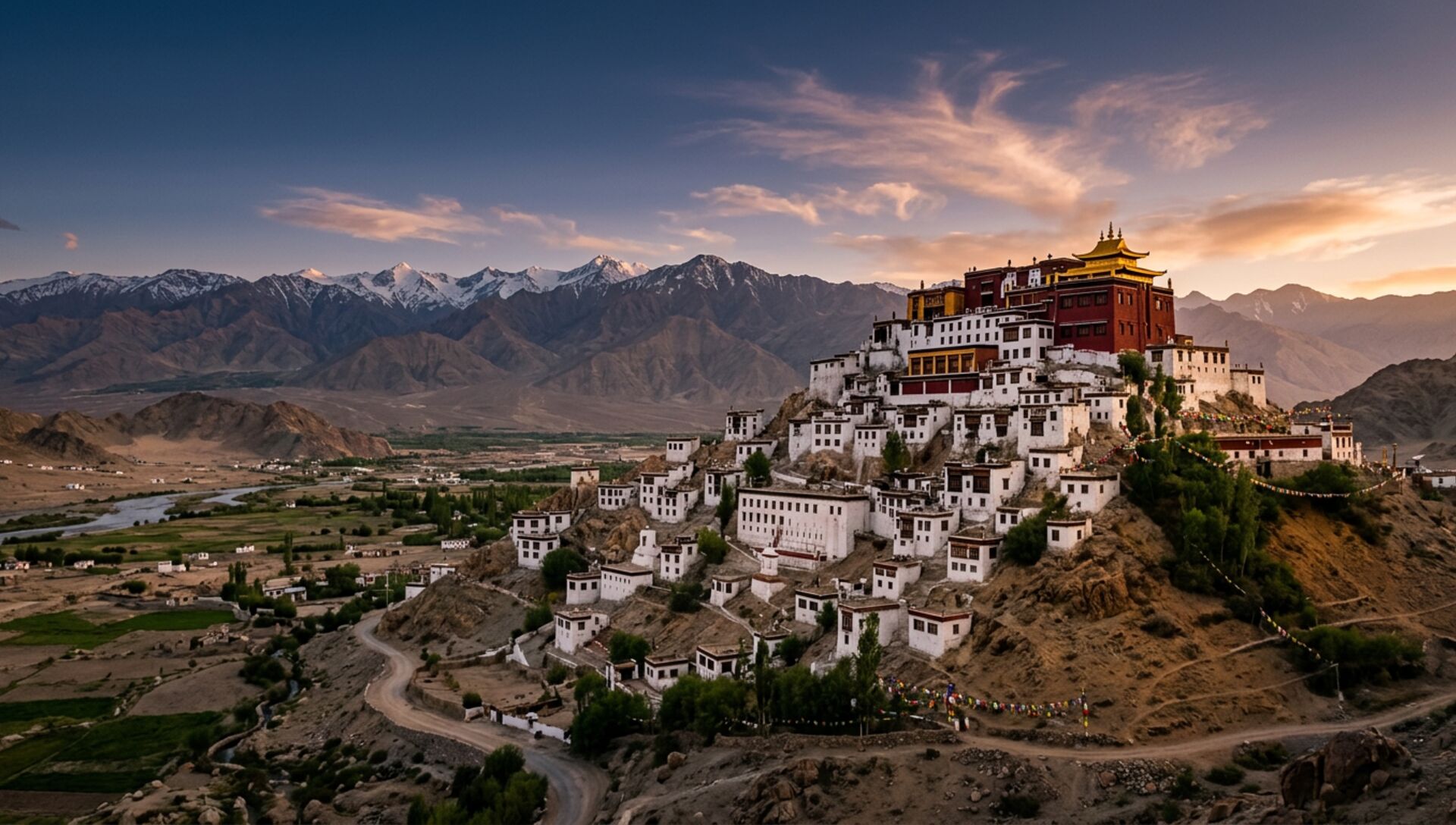
The Hemis festival is one of the strongest examples of how Ladakh's ceremonial calendar can reshape a trip. Yes, there are masked dances and a visible festival atmosphere. But the real value is in seeing the monastery become something more charged than a sightseeing stop.
Why the Ladakhi Buddhist story changes the trip
When travellers say they want 'authentic culture' in Ladakh, they often mean they want a beautiful performance that stays easy to consume. Hemis asks a little more of you. It asks for patience with crowds, respect for ritual sequence, and enough stillness to notice that the event belongs first to the community that keeps returning to it.
The details that still make central Ladakh feel alive
- A major monastic festival where ritual, costume, music, and public gathering still coexist in a live religious setting.
- A rare chance to watch a monastery shift from quiet architecture into active ceremonial theatre.
- A stronger understanding of Ladakh's summer season beyond roads and landscapes.
- An experience that works best when combined with slower monastery time before or after the event itself.
When this journey feels most worth doing
Festival-timed trips usually fall in Ladakh's main operating season, when road access is easier and the valley is fully active. That makes the route practical, but it also means higher visitor volume. Build extra breathing room around the festival day so the whole trip does not become one crowded rush.
What central Ladakh gives you beyond the obvious
The strongest version of this journey is rarely the one that tries to see the most in the least amount of time. It is the one that allows Ladakhi Buddhist life in central Ladakh to become legible through repetition: one more walk, one more meal, one more conversation, one more hour spent noticing how the place holds itself when nobody is trying to impress you.
That is usually where the copybook idea of culture falls away and the real thing begins. You stop looking for a headline and start noticing pattern, mood, labour, and social intelligence. In Himalayan travel, that shift is often the difference between a pleasant route and a memorable one.
Why Ladakhi Buddhist landscapes should not be consumed too quickly
Most travellers get this wrong in the same way: they arrive with a collecting instinct. They want one clean explanation, one culturally satisfying photograph, one short answer to what this region means. But central Ladakh is not built to reward that kind of speed. It asks for sequence, patience, and enough humility to let local life stay larger than your interpretation of it.
- Do not treat central Ladakh as a rare detour whose job is to deliver proof of authenticity.
- Do not confuse visual difference with cultural understanding.
- Do not let road ambition erase the slower social texture that makes Ladakhi Buddhist life meaningful in the first place.
Travel like a guest, not a collector
Stay in Leh or nearby with enough flexibility to arrive early, leave late, and avoid turning the monastery into a hurried tick-box. Combine Hemis with smaller monastery visits, old-town walks, and one or two gentler cultural days. Festival travel works best when the ceremony sits inside a full route, not when the entire trip is reduced to one event.
For travellers who care about quality, the real upgrade is subtle. Better timing, fewer unnecessary stops, stronger local hosting, and more emotional space create a route that feels calmer and far more expensive in the right way. That is especially true in central Ladakh, where the atmosphere improves the moment the itinerary stops trying to prove itself.
Trips that pair well with this cultural angle
- Classic Leh Route: A good base for travellers who want Hemis inside a balanced first Ladakh journey.
- Spiritual Access Route: Best for travellers who want monastery time to feel like the spine of the trip, not a side note.
Travel questions
Is Hemis Festival worth attending in Ladakh?
Yes, especially if you want one of Ladakh's strongest public cultural moments and are willing to handle crowds with patience.
How should I plan Hemis Festival in Ladakh?
Build it into a wider Leh-based cultural route instead of making it your only meaningful stop.
What is the mistake travellers make at Hemis?
They treat it as a costume show rather than a live monastery event with its own spiritual rhythm and local logic.