Hidden Places in Zanskar Valley
The hidden places in Zanskar Valley are not hidden because nobody knows their names. They are hidden because most travellers move too quickly to notice how much of Zanskar still lives between the headline stops.
By Himalayan Locals Editorial Team
When people search for hidden places in Zanskar Valley, they often expect a list of secret coordinates. That is not really how Zanskar works. Its hiddenness comes from slowness, distance, weather, and the fact that much of what makes the valley extraordinary is not just a viewpoint. It is a side village, a monastery terrace, a road bend where the landscape suddenly opens, or a section of silence that does not fit inside a standard itinerary.
Zanskar rewards travellers who accept that remoteness is the experience, not a backdrop to it. That is why the best hidden places in Zanskar Valley are often the ones that exist just outside the expected route logic. They may still sit near known sectors like Padum or Phuktal, but the feeling changes the moment you stop travelling like a collector of big names and start moving like someone willing to pay attention.
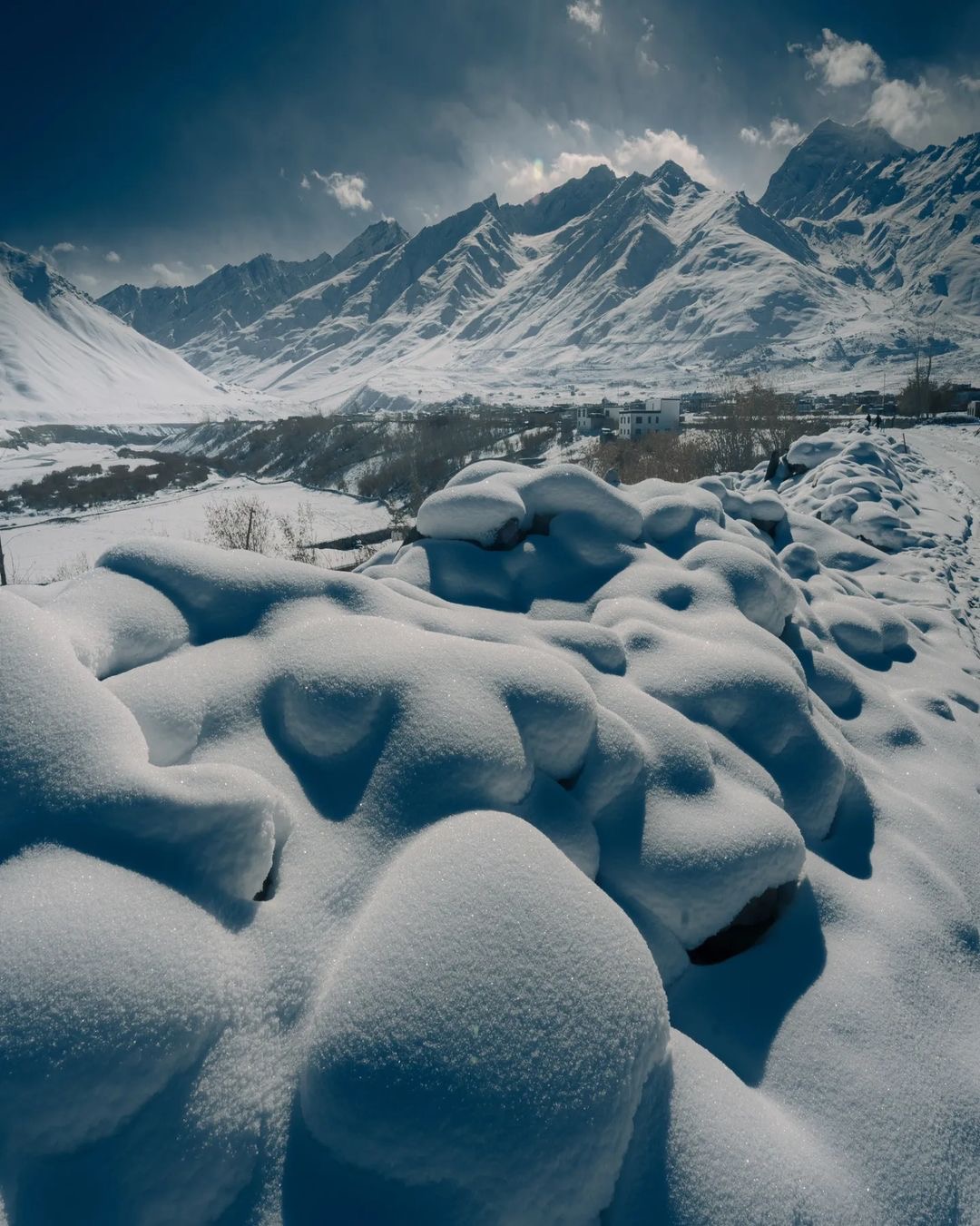
The valley still protects its own pace
Unlike more exposed Himalayan circuits, Zanskar still filters the traveller. Roads are longer, weather matters more, and many sectors feel structurally less eager to be consumed quickly. That changes what hidden means. In a fast destination, hidden often means an overlooked stop. In Zanskar, hidden can simply mean a place that survives because not everyone can reach it casually. The experience remains rare because the valley itself insists on effort and patience.
Five kinds of hidden Zanskar experiences
1. Village spaces beyond the obvious stop
Many travellers arrive, sleep, and leave. The more rewarding version is to stay curious about what happens one layer deeper: side lanes, prayer spaces, old houses, kitchen smoke, local agriculture, and the human tempo of a place once the vehicles fall quiet. Hidden places in Zanskar Valley often begin exactly there. A village you thought was a logistical stop starts revealing itself as a cultural landscape.
2. Monastery approaches, not just monastery arrivals
Phuktal, Karsha, and other known monastic spaces are powerful in themselves, but some of the most memorable moments live in the approach rather than the landmark. A trail, a ridge, a sightline across the valley, or the way the building first emerges from the land can be more affecting than the checklist photo. Travellers looking for hidden places in Zanskar Valley should train their attention on transitions, not only destinations.
3. Glacial and high-road viewpoints that locals read differently
A viewpoint is never just scenery in Zanskar. It often carries weather knowledge, route awareness, grazing logic, or spiritual association. That local reading changes everything. A pass or glacier stop becomes richer when it is interpreted as part of a lived geography rather than a visual spectacle. That is one reason locally led journeys matter so much here. Without context, a hidden place stays merely remote. With context, it becomes meaningful.
4. River and silence zones
Not every hidden place in Zanskar Valley has a name travellers would recognise. Some of the strongest moments happen beside a river section, a dusty plain, or a wind-cut terrace where nothing appears to be happening. Zanskar has the rare ability to make emptiness feel full. If your trip allows stillness, those spaces often become the part people remember most.
5. Cultural edges of the route
Hidden places also live in encounters: a festival rehearsal, a family kitchen, a field, a prayer room, or a roadside conversation. These are fragile experiences, not products. They cannot be guaranteed or staged well. But when the route is designed with enough flexibility and the team on the ground has real local relationships, that softer layer of Zanskar starts to reveal itself. That is the part standard tourism almost always misses.
Trips that go deeper into the Zanskar story
- Zanskar Overland Journey: A strong route for travellers who want access to Zanskar’s remoteness without rushing the valley.
- Hidden Ladakh & Zanskar Circuit: Built for travellers who want the lesser-seen side of the wider trans-Himalayan map.
- Short Zanskar Escape: A shorter but still meaningful way to enter the emotional terrain of Zanskar.
Zanskar does not reward hurry
- Give the route more time than you think you need.
- Stay open to local detours instead of forcing a rigid minute-by-minute plan.
- Value context as much as access. A local explanation can transform a place.
- Choose a team that knows the valley well enough to move with conditions rather than against them.
The hidden places in Zanskar Valley are not there to be conquered or collected. They are there to be noticed. That requires a different kind of travel attention: less conquest, more listening; less speed, more rhythm; less dependence on lists, more trust in a route designed by people who know how the valley breathes. Zanskar remains powerful because it still resists easy consumption. A good journey should respect that.
Context turns remoteness into understanding
In many destinations, independent travel can still reveal most of the important surface. In Zanskar, independent travel often shows you the valley but not always the logic beneath it. A local operator or guide does more than open doors. They explain why a village matters, why a stop is timed a certain way, why one road bend tells you more than another famous point, or why a monastery approach is worth slowing down for. That context is what converts remoteness into meaning.
This is especially true when you are chasing the hidden places in Zanskar Valley rather than only the recognised ones. Some places are physically hidden. Many more are interpretively hidden. They become visible only when someone who belongs to the route points out what the outsider would otherwise miss. In a region as subtle and demanding as Zanskar, that is not a small advantage. It is often the difference between a difficult drive and a transformative journey.
The best Zanskar routes feel less like tourism and more like being carefully introduced to a difficult landscape. That is why a well-designed expedition matters. It gives you enough access to feel lucky, enough context to feel changed, and enough pacing to notice the valley rather than merely crossing it.
It also helps to think of Zanskar as a region that rewards return visits. You do not need to force every monastery, every detour, and every remote hamlet into one journey. A more elegant approach is to let one circuit open the door and leave the rest for later. That mindset usually leads to better days on the ground and better decisions on the road.
When hidden Zanskar feels most reachable
Most hidden-place travel in Zanskar works best during the main access season, usually June to September, when the valley is more practical to reach and travellers can still move slowly enough to read the route well. The right question is not only whether the road is open. It is whether the road is enjoyable enough to support the kind of attention hidden Zanskar deserves.
Permits, road entry, and local support
Permits can matter depending on the wider route, but in Zanskar the bigger issue is often execution: entry from Leh or Kargil, the number of nights inside the valley, driver judgment, and whether the itinerary allows for side sectors that are culturally richer than they look on a map.
Vehicle, stay style, and altitude realism
- Use an SUV with a driver who understands remote valley pacing.
- Choose stays for calm recovery and location, not just for category labels.
- Keep extra route margin because Zanskar roads and weather should not be bullied by your spreadsheet.
- Treat altitude fatigue and long road fatigue as separate planning issues; both matter here.
A 5 to 7 day way to experience hidden Zanskar better
- Day 1: Enter through the valley gateway with only one major transfer.
- Day 2: For a Leh flight arrival, continue resting until at least 48 hours have elapsed. Otherwise follow the assessed road-entry plan.
- Day 3 to 4: Use one slower day for side-valley texture, river zones, or a meaningful approach route.
- Day 5 onward: Add one final hidden stretch only if the route still feels calm, then return with margin.
Travel questions
What are the best hidden places in Zanskar Valley?
The best hidden places are often quieter villages, monastery approaches, river terraces, side-valley moments, and cultural encounters that travellers miss when they move too fast.
When should I visit hidden places in Zanskar?
Usually in the main access season from June to September, when the road allows enough flexibility to travel deeper without turning every day into a survival exercise.
Do I need a local guide for hidden Zanskar?
A local team is strongly recommended because many of Zanskar's most meaningful places are interpretively hidden rather than simply hard to reach.
Is Zanskar safe for first-time Himalayan travellers?
Yes, but only when the itinerary is honest about road fatigue, altitude, and the need for margin in a remote valley.
What vehicle should I use in Zanskar?
A capable SUV with a mountain-savvy driver is the strongest option for most travellers.