Nanda Devi Raj Jat and the Communities that Carry It
Nanda Devi Raj Jat is often described only as a grand pilgrimage. It is also a deeply local act of carrying, remembering, mourning, offering, and collective belonging through the highlands of Uttarakhand.
By Himalayan Locals Editorial Team
Some Himalayan routes become famous because they are difficult. Nanda Devi Raj Jat matters for a different reason. It takes difficulty and fills it with relationship: daughter, goddess, mountain, departure, and the emotional labour of sending someone onward.
Even travellers who do not attend the long-cycle yatra itself should understand the cultural world around it. Nanda Devi devotion shapes fairs, memory, and mountain imagination across broad parts of Uttarakhand. Raj Jat is the most concentrated expression of that relationship.
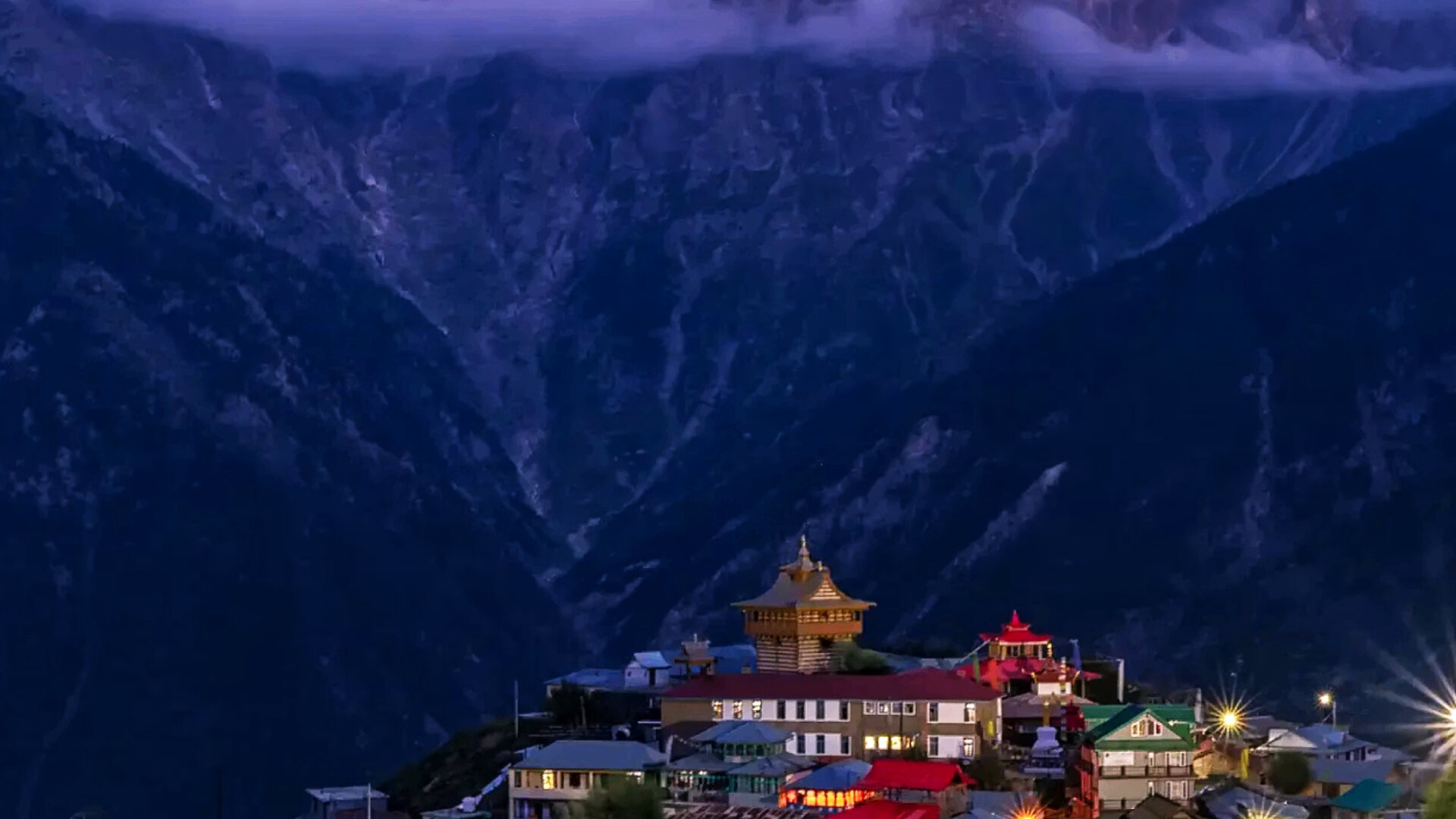
Why the Garhwal and Kumaon mountain communities story changes the trip
What makes this pilgrimage unusual is not only scale or altitude. It is the way communities participate in it as if they are carrying a family departure through the mountains. That emotional register matters. Without it, Raj Jat can be flattened into mere endurance theatre, which misses the whole point.
The details that still make central Uttarakhand highlands feel alive
- One of Uttarakhand's most powerful cultural and devotional journeys, held on a rare cycle rather than annually.
- A route where myth, local identity, and physical mountain hardship are inseparable.
- A strong example of how Himalayan pilgrimage is also social feeling, not only religious form.
- An invitation to understand the region through devotion and carrying, not only through trekking metrics.
When this journey feels most worth doing
If you are travelling specifically for the major cycle, timing depends entirely on the pilgrimage calendar and local conditions. Outside the major yatra years, you can still explore the wider Nanda landscape through temples, fair traditions, and village storytelling across Uttarakhand.
What central Uttarakhand highlands gives you beyond the obvious
The strongest version of this journey is rarely the one that tries to see the most in the least amount of time. It is the one that allows Garhwal and Kumaon mountain communities life in central Uttarakhand highlands to become legible through repetition: one more walk, one more meal, one more conversation, one more hour spent noticing how the place holds itself when nobody is trying to impress you.
That is usually where the copybook idea of culture falls away and the real thing begins. You stop looking for a headline and start noticing pattern, mood, labour, and social intelligence. In Himalayan travel, that shift is often the difference between a pleasant route and a memorable one.
Why Garhwal and Kumaon mountain communities landscapes should not be consumed too quickly
Most travellers get this wrong in the same way: they arrive with a collecting instinct. They want one clean explanation, one culturally satisfying photograph, one short answer to what this region means. But central Uttarakhand highlands is not built to reward that kind of speed. It asks for sequence, patience, and enough humility to let local life stay larger than your interpretation of it.
- Do not treat central Uttarakhand highlands as a rare detour whose job is to deliver proof of authenticity.
- Do not confuse visual difference with cultural understanding.
- Do not let road ambition erase the slower social texture that makes Garhwal and Kumaon mountain communities life meaningful in the first place.
Travel like a guest, not a collector
Do not approach Raj Jat thinking like a sports traveller. Read first. Ask who carries what, why the route matters, and what emotional discipline is expected of participants. If you are exploring the wider tradition rather than the major yatra itself, let local context lead more than your timeline does.
For travellers who care about quality, the real upgrade is subtle. Better timing, fewer unnecessary stops, stronger local hosting, and more emotional space create a route that feels calmer and far more expensive in the right way. That is especially true in central Uttarakhand highlands, where the atmosphere improves the moment the itinerary stops trying to prove itself.
Trips that pair well with this cultural angle
- Uttarakhand Sacred Arc: Useful if you want to frame a better cultural understanding around a temple-focused route.
- Char Dham Contrast: Helpful as a reminder that sacred Uttarakhand is much bigger than convenience pilgrimage alone.
Travel questions
What is Nanda Devi Raj Jat?
It is one of Uttarakhand's most important long-cycle pilgrimages, tied to Nanda Devi devotion and carried through the high mountains with strong local participation.
Is Nanda Devi Raj Jat only for pilgrims?
Its core is devotional, but travellers can still learn a great deal from the cultural world around it if they approach respectfully.
What is the right mindset for this route?
Humility first. The route belongs to a living sacred tradition before it belongs to any outside itinerary.