Zanskar Road Trip Guide
A Zanskar road trip is one of the most rewarding journeys in the Indian Himalayas, but only if it is planned with patience. Distance, road condition, and pacing matter more here than hype.
By Himalayan Locals Editorial Team
A Zanskar road trip is not simply a scenic drive with a remote backdrop. It is a serious mountain route that rewards travellers who understand that remoteness is part of the experience. Roads can be long, weather can interrupt neat timing, and even the most powerful scenery only feels memorable when the trip has been paced properly. If you are searching for a real Zanskar road trip guide, the first thing to understand is that the valley asks for patience before it offers depth.
That is exactly why Zanskar is so compelling. It still feels filtered. You do not reach it casually, and once you are on the route, the days tend to feel more immersive than performative. The road becomes the story. You watch river systems change, villages thin out, monasteries appear where they seem impossible, and the whole trip begins to feel more like a crossing than a holiday. This is one of the few Himalayan road journeys that still resists being consumed too quickly.
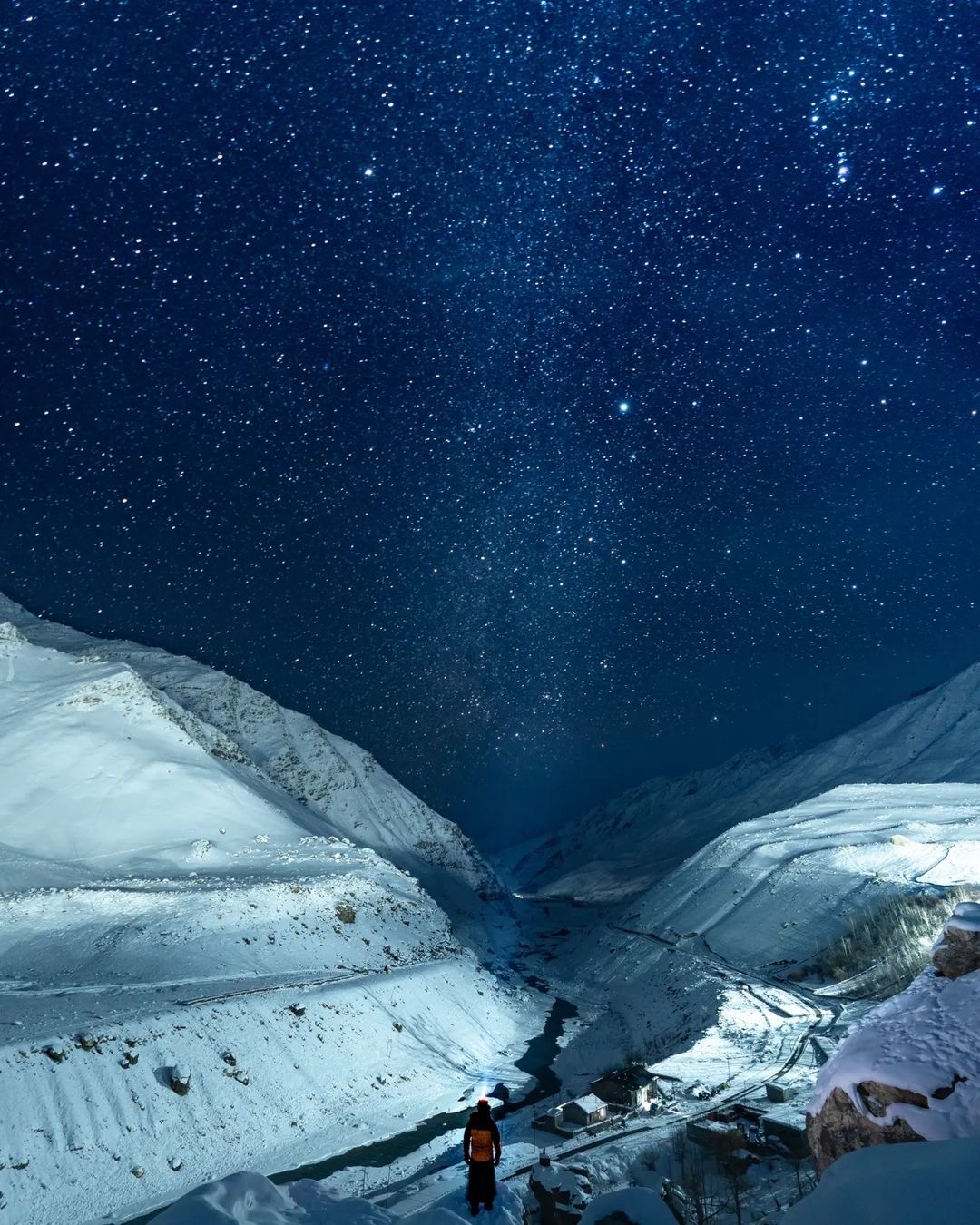
Design the route around rhythm, not maximum mileage
The biggest mistake in a Zanskar road trip guide is pretending the best route is the route that includes the highest number of names. In truth, Zanskar works best when every travel day has a clear role. One day should get you in cleanly. Another should deepen the valley. Another should be dedicated to a monastery or cultural sector. Another should simply let the landscape breathe. Once you understand that, the trip becomes far more elegant. You stop asking how much can be forced in and start asking what kind of experience each day is supposed to hold.
The best Zanskar road trips combine access, stillness, and context
- A clean entry into the valley without overloading the first long road day.
- At least one section where monasteries or village life are not treated as drive-by moments.
- Enough flexibility to respond to roads, weather, and guest energy without collapsing the route.
- A stay pattern that preserves comfort while still keeping the journey connected to the landscape.
- Local interpretation so remote places feel meaningful rather than merely difficult to reach.
A lot of the internet focuses on the question of whether the road is open. That matters, but it is only the first layer. Open does not automatically mean pleasant. Technically possible does not automatically mean wise. A good Zanskar road trip guide has to go further than yes-or-no road status. It has to ask whether the route is enjoyable at the current pace, whether the group is suited to the drive time, and whether the sequencing gives the traveller enough energy to appreciate the valley once they arrive.
Zanskar gets stronger when you stop treating it like an add-on
Shorter Zanskar trips can absolutely work, especially for travellers who want one powerful entry into the valley rather than a total survey of it. But they work only when they are honest about their limits. A shorter road trip should focus on one clear mood and one strong section of the map. Longer trips earn the right to deepen the route, include quieter stops, and make the drive feel less compressed. The quality of a Zanskar trip rises fast when it is allowed at least a little margin.
This is where premium planning helps. A well-run expedition does not magically shorten the road, but it changes how the road is experienced. Better stop selection, stronger driver judgment, the right stay in the right place, and clear expectation-setting can transform the route from exhausting to absorbing. In Zanskar, execution is never secondary. It is the experience.
Trips built for the Zanskar road, not just the map
- 15-day private Ladakh and Zanskar circuit: A Leh-to-Leh private journey through Zanskar, Nubra, Pangong, Hanle and Tso Moriri, with 14 stay nights and flexible seasonal dates.
- Zanskar Overland Journey: A strong full-bodied route for travellers who want Zanskar with capable pacing and proper support.
- Hidden Ladakh & Zanskar Circuit: Best for travellers who want Zanskar inside a wider, more offbeat trans-Himalayan narrative.
- Short Zanskar Escape: A shorter but still meaningful approach when you want the road and the valley without overstretching time.
Common mistakes on a Zanskar road trip
- Treating Zanskar like a tick-box extension to a different trip.
- Trying to race the valley because the roads feel slow on paper.
- Ignoring local advice on conditions and assuming static online road updates tell the whole story.
- Stacking too many monastery visits into a schedule with no time to actually absorb them.
The strongest Zanskar road trips feel deliberate, not frantic. They understand that silence is part of the region’s value and that difficult roads do not need to be apologised for if the route around them is well judged. That is the heart of a good Zanskar road trip guide: not proving how much you can survive, but learning how to move through the valley with respect, patience, and enough structure to let the landscape land properly.
Why Zanskar rewards travellers who leave margin in the plan
Margin may sound like a luxury in a mountain itinerary, but in Zanskar it is one of the main ingredients of quality. Margin means the road can be slower without becoming stressful. It means a driver can make a better judgment call without the whole plan collapsing. It means a monastery stop can last long enough to feel human rather than symbolic. Most importantly, it means the traveller is less likely to experience the valley in a defensive state. Defensive travel is what turns remoteness into fatigue. Margin is what turns remoteness into depth.
This also changes how support should be evaluated. The best operator for Zanskar is rarely the one making the biggest promises. It is the one that can describe how the route behaves, where the pace needs to soften, what the trade-offs really are, and how the team adapts if the road or the traveller has a different idea. In a filtered region like Zanskar, calm realism feels far more premium than oversized claims.
If you are choosing between two drafts of the same trip, pick the one that looks slightly less aggressive on paper. That usually ends up being the route that lets you see more. Not because it covers more names, but because it gives every major section enough presence to register. That is the paradox of Zanskar. The slower plan often becomes the bigger experience.
When to plan a Zanskar road trip
Zanskar is usually best planned during the main mountain access season from June to September. That is when road conditions are more workable, valley entry is more practical, and the journey can focus on the landscape rather than pure logistics. Even then, road reality still changes, so route margin remains essential.
How to enter and structure the valley
Most Zanskar journeys are built through Leh or Kargil-side access, depending on the wider route. Permit requirements depend on exactly how the trip is combined, but the larger operational question is whether the itinerary gives enough time to enter, deepen, and exit without turning every day into a defensive drive.
Weather, stay style, and vehicle recommendation
- Weather changes the quality of the road more than the map suggests.
- Choose stays for rest and location, because recovery quality matters after hard drive days.
- Use an SUV rather than a smaller vehicle if comfort, safety, and luggage flexibility matter.
- Keep expectations calm: premium Zanskar is about execution, not pretending the valley is easy.
AMS and high-road fatigue in Zanskar
Zanskar does not only challenge the body through altitude. It also challenges it through road length and cumulative fatigue. A smart route protects both. That means lighter first days, enough hydration, no heroics after arrival, and enough itinerary softness that one slower road day does not poison the rest of the trip.
A practical 5 to 8 day Zanskar road-trip structure
- Day 1: Arrive in the gateway sector and stay light.
- Day 2: If you flew into Leh, continue resting until at least 48 hours have elapsed. Road-entry plans need their own gradual-ascent assessment.
- Day 3 to 5: Explore one or two strong cultural and landscape sectors well.
- Day 6 onward: Return with buffer or extend deeper only if the valley still feels calm rather than overused.
Travel questions
What is the best time for a Zanskar road trip?
Usually June to September, when access is more practical and the valley can be experienced with better route stability.
How many days do I need for a Zanskar road trip?
For most travellers, 5 to 8 days is a strong range. Shorter trips can work, but they need very clear focus and fewer ambitions.
Which vehicle is best for Zanskar?
A capable SUV with a driver who understands Himalayan road pacing is the best fit for most travellers.
Is Zanskar difficult because of altitude or roads?
Both. Altitude matters, but so do long drive days, changing weather, and the physical drain of remote mountain roads.
Do I need a guide or local operator for Zanskar?
Strongly recommended. In Zanskar, route judgment and local execution improve the trip dramatically.