Turtuk Village Travel Guide
Turtuk is one of the most distinctive places in Ladakh, but it only feels that way if you reach it with enough time and the right expectations. This is not a box-ticking detour. It is a cultural edge of the route.
By Himalayan Locals Editorial Team
A Turtuk village travel guide has to do one thing clearly: explain why Turtuk matters beyond novelty. Many travellers hear of it as a distant settlement near the frontier and add it to the route because it sounds unusual. That is not wrong, but it is not enough. Turtuk becomes memorable only when it is approached as a cultural chapter rather than a remote pin on the map.
What makes Turtuk compelling is the way it alters the texture of a Ladakh journey. The settlement carries a different tone from many of the more familiar circuits. The architecture, the agricultural life, the frontier atmosphere, and the way the village sits inside the route all combine to create a chapter that feels less monumental and more intimate. That is exactly why refined travellers tend to remember it strongly when the visit is not rushed.
It changes the cultural temperature of the trip
Ladakh can sometimes be flattened by outsiders into one continuous visual identity. Turtuk interrupts that simplification. It reminds the traveller that border regions and valley cultures can shift quickly, and that the most interesting journeys are often the ones that reveal those changes instead of hiding them. A good Turtuk village travel guide should therefore talk about atmosphere, not just access. The place is worth it because it broadens the meaning of the route.
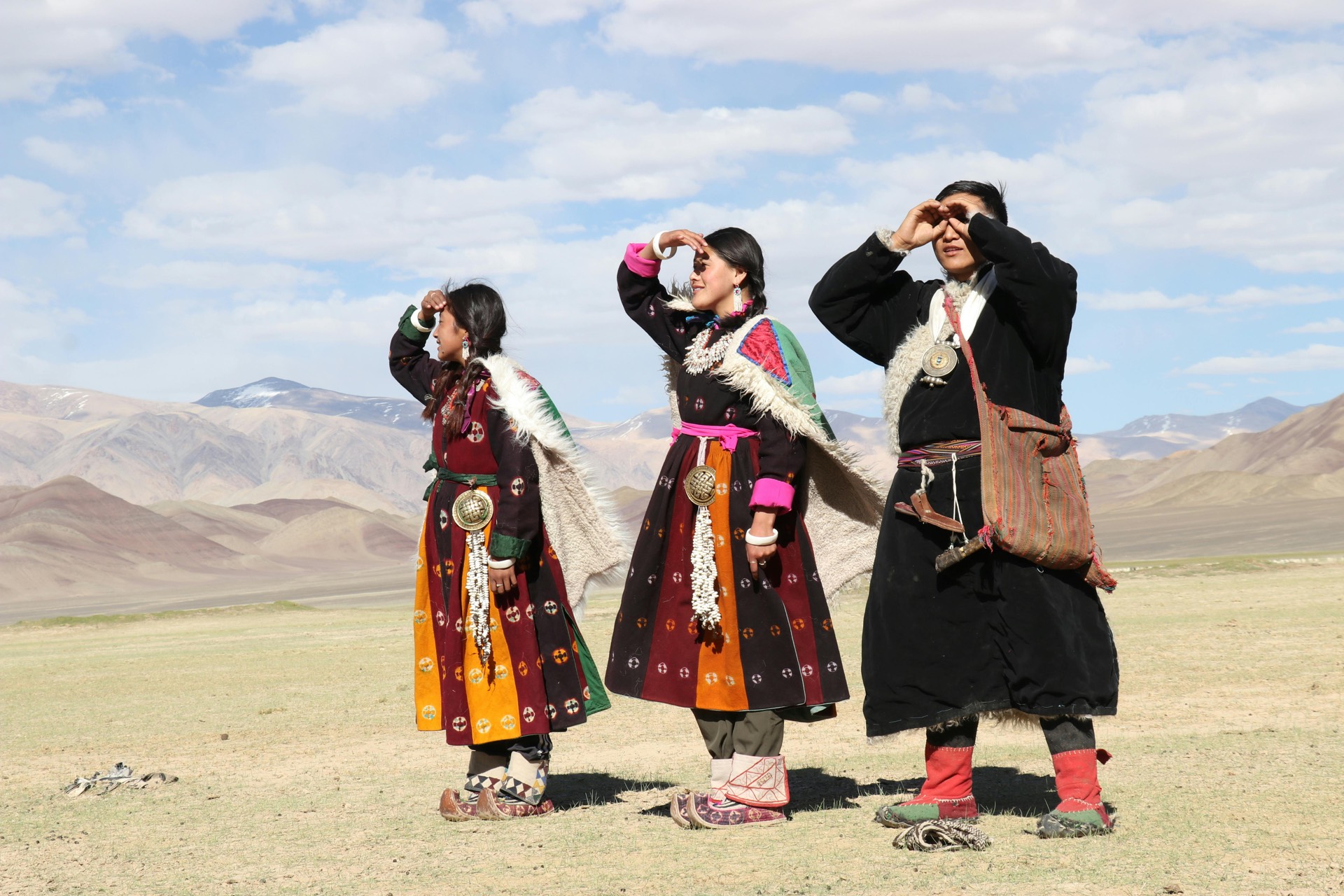
Turtuk needs room in the itinerary to feel worthwhile
The weakest Turtuk plans are the ones where the village is inserted into an already overloaded Nubra day. That usually creates a visit in which travellers arrive late, move quickly, and leave with only a surface impression. A better route gives Turtuk enough space to feel distinct. It may still be part of a broader Nubra chapter, but the day around it should be lighter and more intentional. Frontier villages lose their value when they are treated like roadside proof that you covered more distance.
The village reveals itself through detail
- Walking the village slowly instead of arriving only for one viewpoint and leaving.
- Noticing the built environment, agriculture, and local rhythm rather than searching only for dramatic visuals.
- Understanding how Turtuk sits inside the wider frontier story of the region.
- Letting the visit contrast with the rest of Ladakh instead of forcing it to feel similar.
This is also where local guidance matters. Turtuk is not a theme park version of remoteness. It is a lived place. The more carefully it is interpreted, the more it gives back. Local context can turn what looks like a pleasant stop into a much deeper understanding of why the village feels different, how history has shaped it, and why its atmosphere is so distinct inside a Ladakh route.
Trips that can hold a Turtuk chapter properly
- Trans-Himalayan Changthang & Nubra: A stronger fit when you want frontier Ladakh and valley depth in one broader journey.
- Classic Ladakh Circuit: A useful starting point if you want to understand how Turtuk can fit inside a first Ladakh circuit.
- Ladakh Grand Circuit Odyssey: Best for travellers shaping a longer, more layered route where Turtuk feels naturally integrated.
Turtuk is worth it when it is allowed to be itself
A Turtuk village travel guide should not oversell the village as a dramatic spectacle. Its value is subtler than that. Turtuk matters because it widens the emotional and cultural range of Ladakh. For travellers who want more than just famous landscapes, that is a major reward. Give it time, arrive with humility, and let it function as a living frontier place rather than an achievement stop.
The village matters because it complicates your idea of Ladakh
That complication is a good thing. Turtuk asks the traveller to stop expecting every meaningful Himalayan place to announce itself through huge landscape drama. Sometimes meaning appears through social texture, built form, memory, and how a place sits at the edge of a wider geography. Turtuk rewards the kind of traveller who can understand significance through atmosphere as well as spectacle. In that sense, it is one of the most intellectually interesting chapters you can add to a Ladakh route.
This is also why Turtuk works beautifully inside more curated itineraries. The village gives a long road trip a shift in emotional tone. It lets the route become more layered and less predictable. For families, reflective travellers, and anyone who values cultural contrast, that can be a major upgrade over a purely scenic sequence. The road is still there, but it is now carrying a more nuanced story.
If you arrive expecting Turtuk to behave like a famous viewpoint, you may miss its best qualities. If you arrive ready to walk, notice, and listen, the village often becomes one of the most memorable pieces of the wider Ladakh journey.
That is why Turtuk often appeals to travellers who already know they care about more than postcard value. The village broadens the route in a cultural sense and reminds you that good Himalayan travel is not only about magnitude. It is also about subtle shifts in identity, rhythm, and memory. When a place can deliver that, it has already done something much more interesting than simply looking dramatic.
In practical terms, that means Turtuk is best treated as a mood shift rather than a mileage win. If you protect the day, walk with patience, and let the village alter the way you understand the wider frontier, the return on that time is unusually high. The visit begins to feel less like a detour and more like one of the route’s most intelligent inclusions.
And that is precisely what good frontier travel should do. It should make the map feel more layered than it did before you arrived. Turtuk delivers that layer beautifully when the route gives it enough dignity.
For travellers building a more thoughtful Ladakh route, that kind of layered memory is exactly what justifies the extra effort. Turtuk does not overwhelm. It refines. And refinement is often what remains longest after the trip is over.
That is why Turtuk so often ends up feeling bigger in memory than it looked on the map before the trip began.
Travel questions
Is Turtuk worth visiting in Ladakh?
Yes, especially for travellers who want a more culturally distinctive chapter within the wider Ladakh route rather than only famous landscape stops.
Can I visit Turtuk on a Nubra Valley trip?
Yes. Turtuk is often included as part of the wider Nubra region, but it deserves enough time to feel like more than a rushed detour.
What is Turtuk known for?
Turtuk is known for its frontier setting, distinctive village atmosphere, and the way it broadens the cultural texture of a Ladakh journey.
Do I need extra time for Turtuk?
Usually yes. Turtuk is much more rewarding when the itinerary gives it enough room instead of squeezing it into an already overloaded day.