Nubra Valley Travel Guide
Nubra Valley is far richer than the quick desert-and-camels version seen online. A strong Nubra trip reveals villages, river landscapes, monastery mood, and one of Ladakh’s most dimensional road chapters.
By Himalayan Locals Editorial Team
A proper Nubra Valley travel guide has to start with one important correction: Nubra is not a single attraction. It is a valley system, a set of settlements, a road transition, and one of the most character-rich sections of a classic Ladakh route. Travellers who reduce Nubra to one dune stop and a few quick photos miss most of what makes it memorable.
What makes Nubra special is contrast. After the approach, the valley can feel unexpectedly open and inhabited. The mood changes from pure high-altitude road drama to something more settled and human. Water appears differently. Villages feel more present. The region offers texture rather than just scale. That is why a good Nubra Valley travel guide should help travellers plan for time inside the valley, not merely the drive into it.
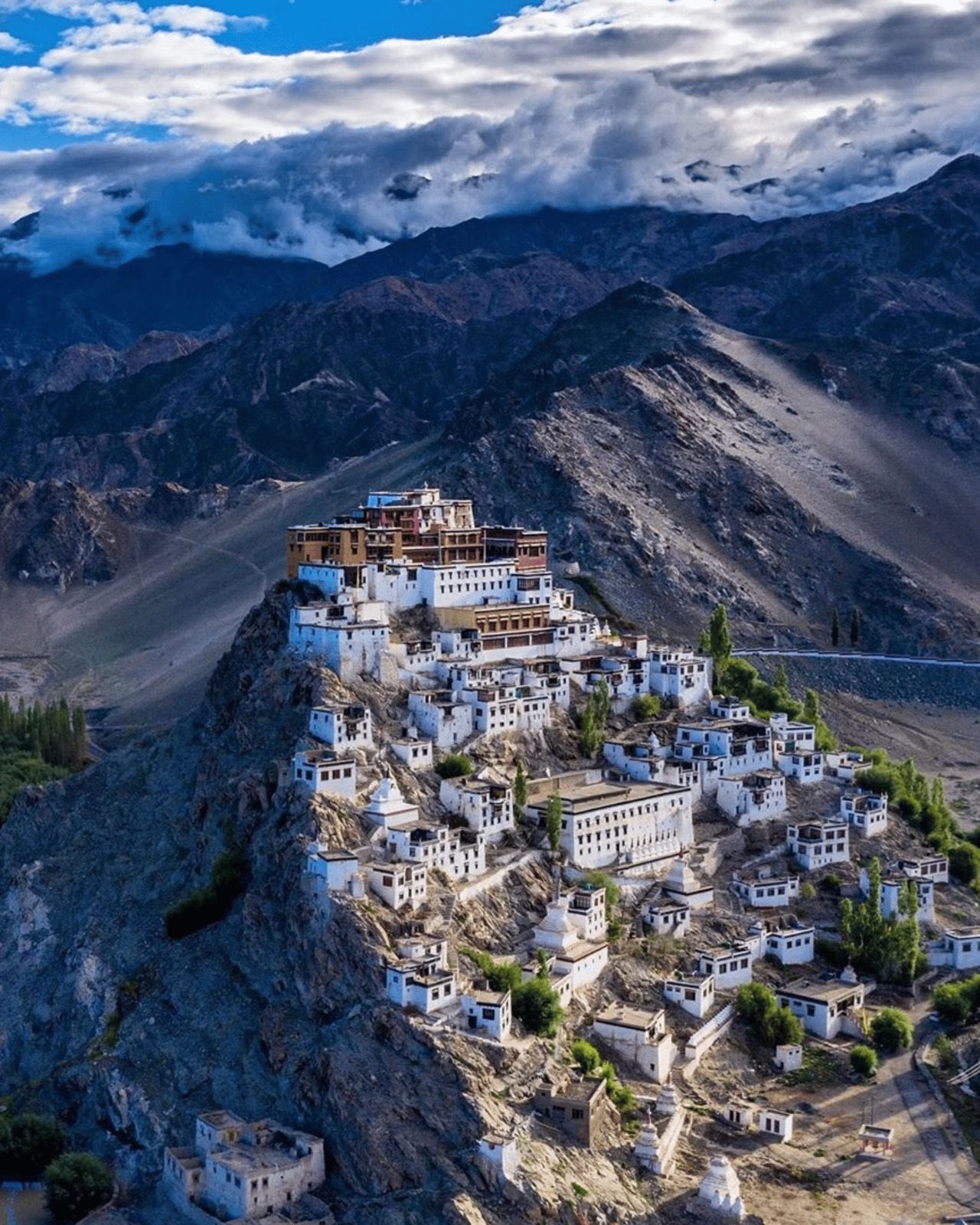
It gives Ladakh a more lived-in register
Many first-time travellers remember Nubra because the landscape feels less severe in a visual sense while remaining fully Himalayan in spirit. It introduces a new softness into the trip without making the journey feel easier or less dramatic. The best parts of Nubra are often not headline locations at all. They are village roads, monastery moments, orchard edges, river light, and the way the valley feels in the slower parts of the day.
One night is possible, but two nights often unlock the valley properly
A rushed Nubra stop can still be enjoyable, especially inside a short first-time Ladakh plan. But if you want Nubra to feel more than functional, the valley benefits enormously from time. A second day lets you move beyond arrival fatigue and into actual exploration. It gives space for side roads, more meaningful meals, quieter monastery visits, and the chance to experience the valley when tour movement thins out. That is where Nubra starts becoming memorable for travellers with a more refined eye.
Build the day around one texture at a time
- Village atmosphere and local pace rather than nonstop driving inside the valley.
- A monastery or cultural stop that gives the route spiritual and architectural texture.
- An evening or morning landscape window when the valley feels less trafficked.
- Time to notice the agricultural and river-fed life that distinguishes Nubra from the harsher eastern sectors.
This is also why Nubra is excellent inside premium Ladakh itineraries. It rewards slower movement. It gives the route a chapter that feels both scenic and inhabitable. You can have a dramatic road approach and still arrive somewhere that permits rest, atmosphere, and local grounding. For travellers who want Ladakh to feel emotionally varied rather than visually repetitive, Nubra is often essential.
Trips that use Nubra well
- Classic Ladakh Circuit: A strong first-timer route that gives Nubra a clear place inside the classic circuit.
- Trans-Himalayan Changthang & Nubra: A broader route for travellers who want Nubra inside a larger eastern Ladakh story.
- Ladakh Grand Circuit Odyssey: Best for travellers who want Nubra connected to a wider long-form Ladakh expedition.
The valley loses power when it is reduced to one expected stop
A lot of weak Nubra itineraries are written as if once you have seen the famous visual markers, the valley is complete. In reality, Nubra grows in value as you move more slowly through it. The quality of roads, local interaction, the timing of arrival, and whether you have time for anything non-obvious all shape the trip far more than people expect. That is the difference between simply visiting Nubra and actually understanding why it matters inside a Ladakh journey.
If you are reading a Nubra Valley travel guide to decide whether the valley deserves real time, the answer is yes. Not because it is louder than other parts of Ladakh, but because it adds nuance. It changes the emotional grammar of the trip and gives the traveller a more layered understanding of the region.
It gives the route a softer chapter without making it softer in meaning
One of the reasons Nubra matters so much inside a premium Ladakh plan is that it introduces variation without breaking the overall mountain seriousness of the trip. The landscapes still feel immense, but the valley also gives you orchards, villages, slower sections of road, and a more grounded sense of life. That shift is valuable. It prevents the journey from becoming one-note and allows travellers to feel that Ladakh is a region with human cadence, not just a sequence of dramatic backdrops.
Nubra also teaches an important lesson about route design: not every unforgettable chapter needs to be the most extreme one. Sometimes the chapter that travelers remember best is the one that gave them space to breathe. That is often Nubra’s role. It is where the route softens just enough for detail to become visible again. Good meals feel more memorable. Conversations become longer. Village texture begins to matter. All of that increases the value of the wider journey.
If you rush Nubra, you lose all of those advantages. The valley turns back into a label rather than a lived section of the route. That is why even travellers with limited time should try to preserve some spaciousness here. Nubra pays back attention far more generously than a hurried plan suggests.
Another reason Nubra deserves real time is that it often becomes the section where a group settles into the trip psychologically. Once the approach is behind you and the valley begins to feel more inhabited, people tend to relax into the route differently. That shift improves everything that comes after it. In a well-designed itinerary, Nubra is not just a destination. It is the chapter that deepens the traveller’s relationship with Ladakh.
Seen this way, Nubra is one of the most useful balancing sections in the entire region. It protects a Ladakh route from becoming only severe or only iconic. It introduces warmth, pace, and inhabited texture while keeping the mountain scale intact. That combination is rare, which is why travellers who give Nubra real space tend to remember it with more affection than they expected.
In practical itinerary terms, that makes Nubra less of an optional detour and more of a structural asset. It gives the trip contrast. And in mountain travel, contrast is often what makes a journey memorable rather than merely impressive.
Travel questions
How many days should I spend in Nubra Valley?
One night can work, but two nights usually create a more meaningful Nubra experience because the valley reveals far more once arrival fatigue is gone.
Is Nubra Valley worth visiting on a first Ladakh trip?
Yes. Nubra is one of the strongest sections in a classic first Ladakh route because it adds texture, village life, and a distinct landscape mood.
Can Nubra be combined with Pangong?
Yes. Many strong Ladakh itineraries combine Nubra and Pangong, provided the overall pacing respects altitude and road time.
What is Nubra Valley known for?
Nubra is known for its contrasting valley landscape, village atmosphere, monastery presence, and its role as one of Ladakh’s most rewarding multi-day road sectors.